Agriva, real estate · 2026
Founders wanted answers from the database without waiting for a developer
Built by Vyzma. Led by Ansuj.
Situation
"How many leads last week by city" meant a ticket, a query and a day's wait.
What we built
An admin assistant that turns a plain-English question into SQL, with a parser that refuses anything but a safe read.
What changed
Admins ask questions in plain English and get a table back, and no write path or personal data is reachable from the model.
The problem
Small teams want to ask their own data questions. The usual fix, letting a model write SQL and running it, hands the model a loaded gun.
The team needed the convenience without the possibility of a dropped table, a leaked phone number, or a runaway query.
What we built
- A natural-language-to-SQL step that sees only an allowlisted schema description.
- A safety layer that parses the generated SQL into an abstract syntax tree with sqlglot and enforces: exactly one statement, a plain SELECT, no CTEs, unions, writes or DDL, no bare SELECT *, only allowlisted tables and columns, and a LIMIT capped at a maximum.
- A column allowlist that deliberately excludes phone, email, exact address, PAN and licence numbers, buyer contact details and the embedding vector. The leads table is left out entirely.
- Rejecting a few valid-but-exotic queries on purpose, in exchange for a small attack surface the team can reason about.
How it works
- Question goes to the model with the schema allowlist. The SQL that comes back never runs directly.
- The validator either rewrites the query with a safe LIMIT or rejects it with a reason the admin can read.
- Only then does it run, read-only, and the result is rendered as a table with the SQL shown for transparency.
What changed
- Admins ask questions in plain English.
- No PII column and no write statement can reach the database from the model.
Stack
If this looks like your situation
Tell us where it hurts. We will say whether it is worth automating, and what we would build first.
Related work
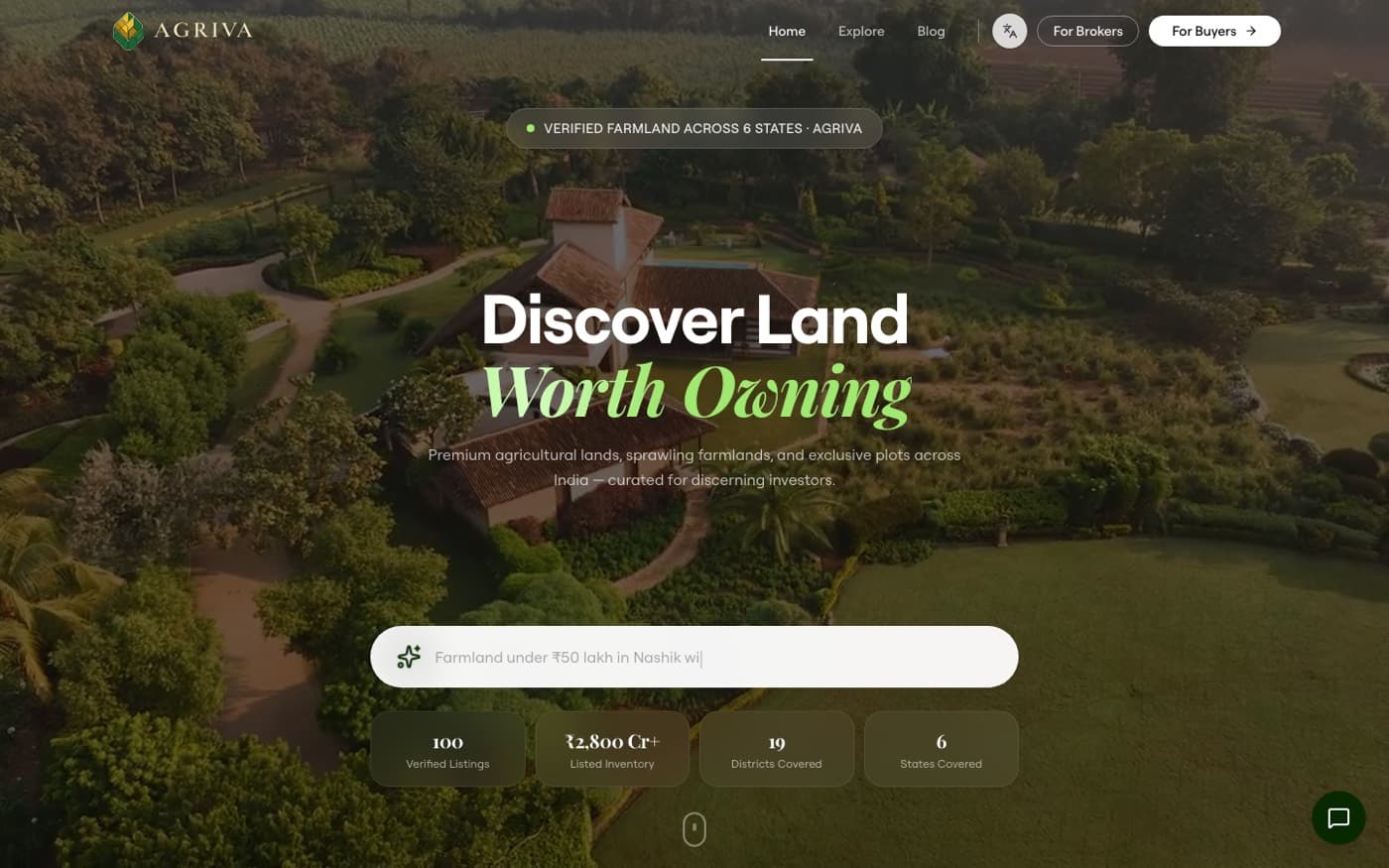
Agriva, real estate
2026
Buyers could not search farmland the way they talk about it
Chat is now the primary way buyers search on agriva.ai, and every answer is grounded in listing data rather than guessed.
Built by Vyzma. Led by Ansuj.
Cyncly, B2B software
2023 to 2025
Customers could not find a product they could only picture
Customer engagement rose 35% and inference latency fell 40%.
35%higher customer engagement
Led by Ansuj Joshi as senior AI engineer at Cyncly (formerly 2020 Technologies), Nov 2023 to Jan 2025
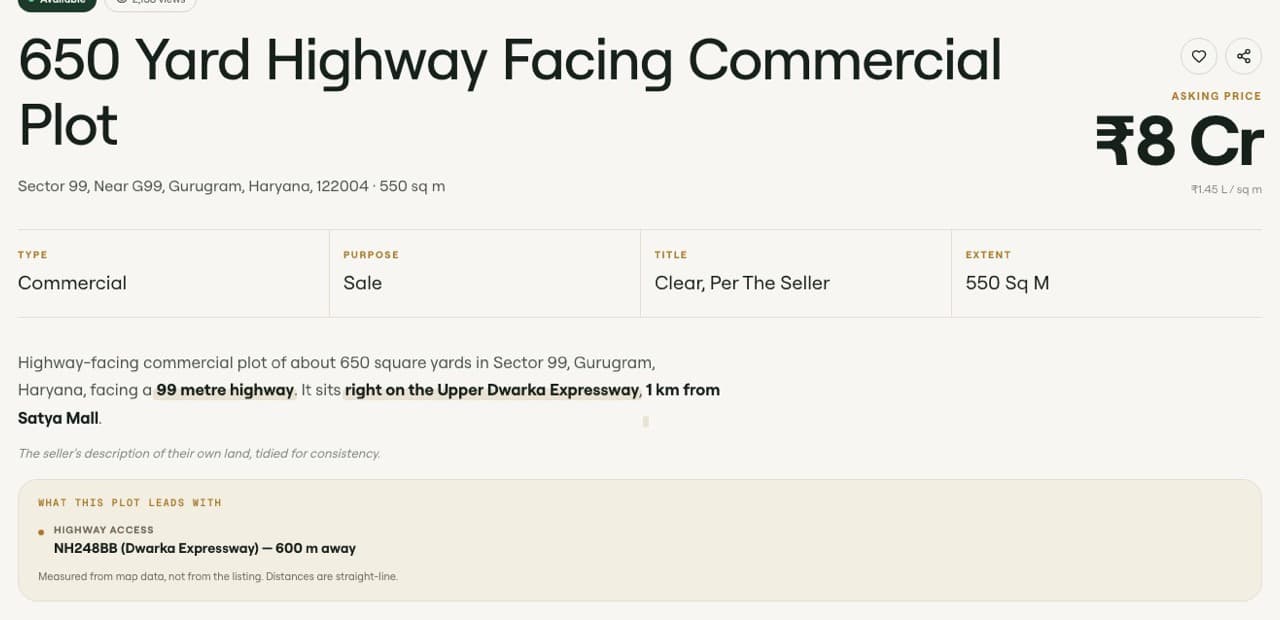
Agriva, real estate
2026
Brokers pasted WhatsApp text and phone photos, and that went live
Listings go live in English and local languages from one structured call, cheaper and more consistent than a call per language.
Built by Vyzma. Led by Ansuj.